PTSD stands for Post Traumatic Stress Disorder. PTSD is a
condition that may last months or years, with triggers that can bring back
memories of the trauma accompanied by intense emotional and physical reactions.
In countries like Sierra Leone, child soldiering is very popular which causes
the children to have PTSD and depression. According to Elisabeth Schauer, the
repeated exposure to war and the experiences of it will hamper their healthy
development and their ability to function fully. A study shows a report rate up
to 90% survivors have been affected by PTSD. Another study by Gloeckner found that the more
violence children had been forced to commit against others, the more PTSD
symptoms could be expected. Researchers found that children who reported
‘hurting another human being’ scored highest in terms of development of PTSD
symptoms in war-exposed children in Kuwait. They also found a prevalence of 97%
post- traumatic stress reactions of clinical importance in former child
soldiers, among who 39% had to kill a person themselves and 77% of the children
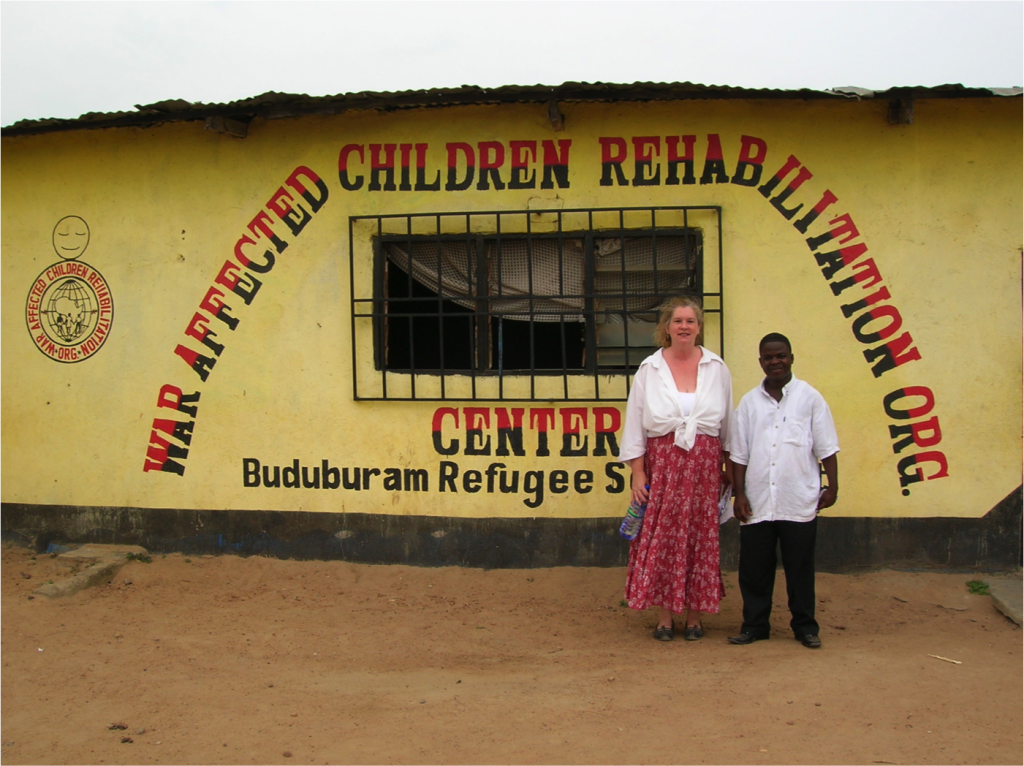
had witnessed killings while in captivity. They treat the children with PTSD in
rehabilitation centers along with certain medicines to help with anxiety and
depression. Workers help to rehabilitate the children back to being a regular
child and to be able to function in the real world instead of in a world filled
with war, surrounded by violence and drugs. According to JAMA and archive
journals, researchers found that PTSD symptom severity was significantly more improved
in the narrative exposure therapy group than in the academic catch-up and
waiting-list groups. The children may not be able to go back to being regular
children such as playing and going to school but the therapy groups will help
them cope with their PTSD. It will take a long time to get well and it will
take time to be able to accept the trauma they went through. For children, it’s
hard for them to understand especially when their growth development was
interrupted by war and the experiences of it.
 |
websites:

ptsd is a close subject to me as i have it but i loved the way you make it sound so scientific and state the facts.....i love it!!!!!!!
ReplyDeleteHey Abby! I am really interested in the topic that you have researched as I know many who have struggled with PTSD from war. I also really enjoy the picture that you included.
ReplyDeleteThe way you explained PTSD was very well, and it was very factual. What you pointed out about the children about them not being able to be regular children again, I agree with you. They matured very fast because of all the trauma, and even though their not adults yet, they can never go back to being that innocent kid.
ReplyDeleteI love how you explained PTSD, I personally don't have it but my step-dad does from being in the navy. I agree with children not being able to be regular children again because I see it in my step-dad, he is not like a normal person, if that is how you'd state it, he always checks everything multiple times like locked doors and he used to not be able to go to anything that had loud sounds like fireworks because he would have seizures when he heard them. But I feel like the medicine really helps people with PTSD.
ReplyDeleteI am interested in this topic as well. I know many people who have PTSD. Your facts are very interesting. Like, children that have hurt another human are more likely to have higher PTSD level.
ReplyDeleteYou had a lot of great research on PTSD. Something that stood out to me was that a rate up to 90% of the survivors have been affected by PTSD. That number really makes you think how many people go through this in there life.
ReplyDelete